How to choose the size of tennis overgrips?

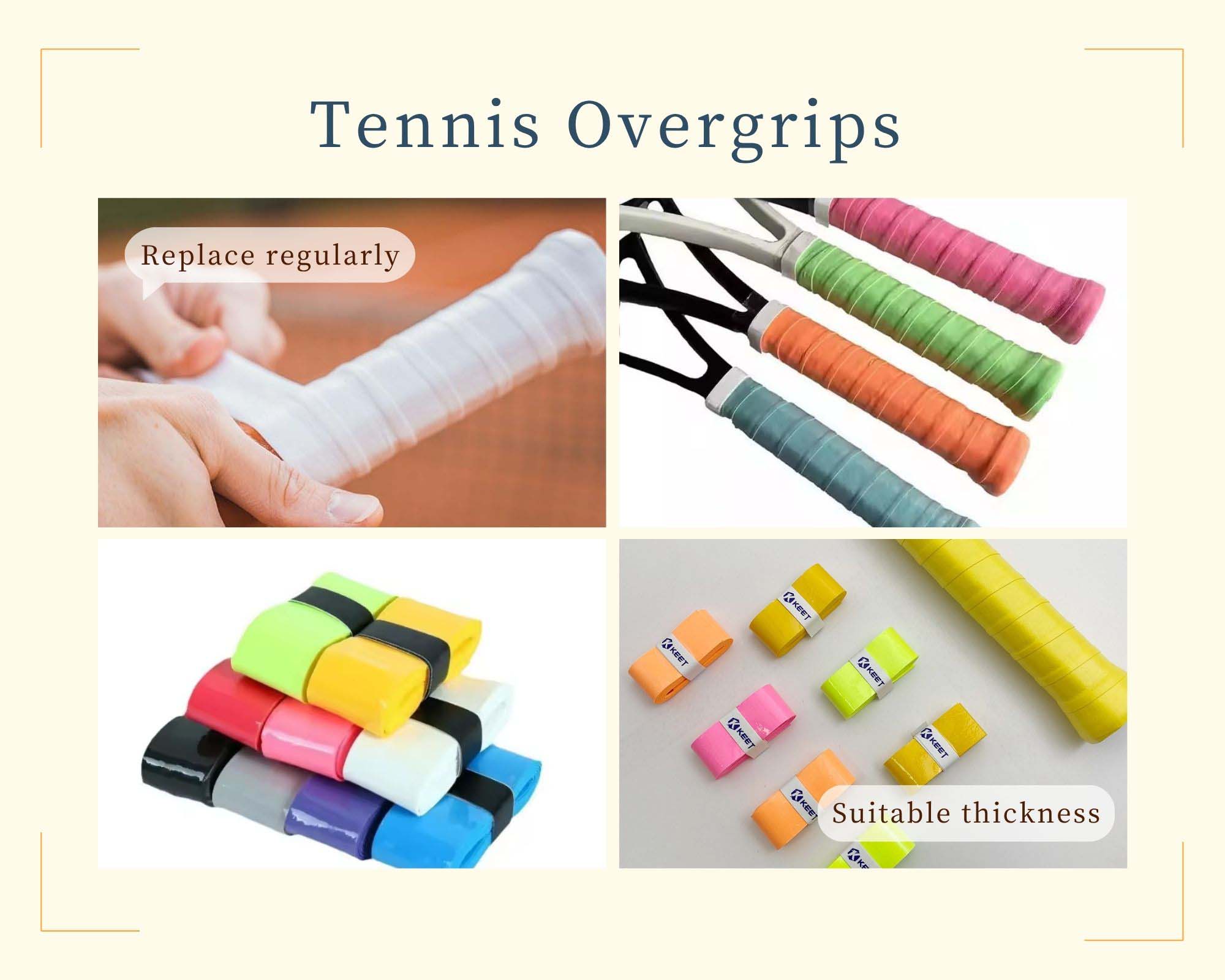
In tennis, overgrips play a crucial role in the hitting experience. The right size of a tennis overgrip not only enhances the comfort of grip but also improves the stability and control of hitting. So, how exactly should one choose the size of a tennis overgrip? Taking the racket overgrips produced by our KEET company as an example, we will analyze and provide answers from three aspects: the length, width, and thickness of the overgrip.
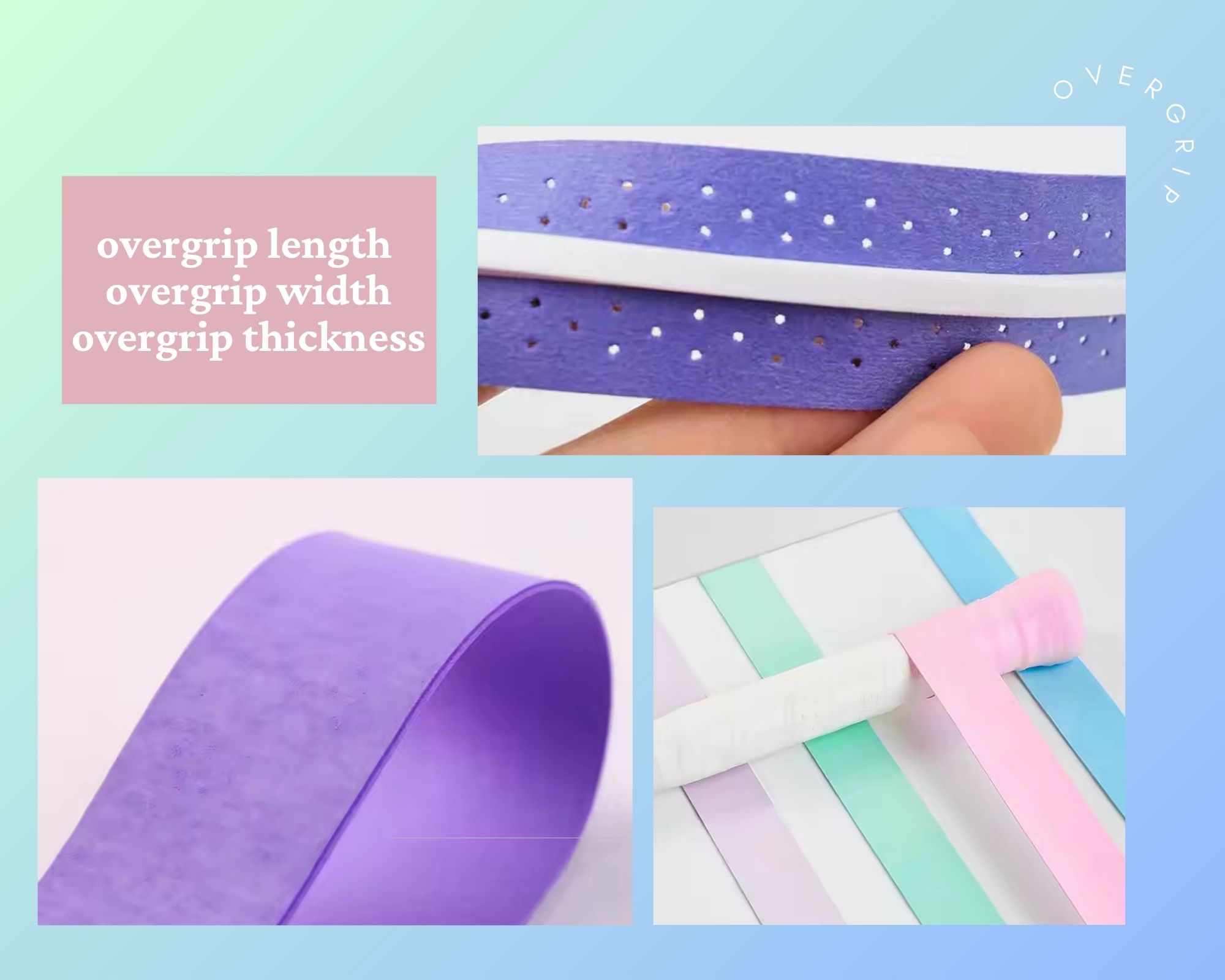
First of all, overgrip length, determining the number of wraps and grip fullness.

The length of a tennis overgrip typically ranges from 1100 to 1150 mm. A longer overgrip can be wrapped more times, making the handle fuller, while a shorter one results in fewer wraps and a relatively thinner handle. A longer overgrip offers a fuller grip, allowing the hand to make full contact with the handle and increasing the stability of the grip. For players with larger hands or those who prefer a thick grip, a long overgrip can better fill the gap between the palm and the handle, reducing shaking during swings and making hits more precise. A shorter overgrip, after being wrapped, results in a thinner handle, which is suitable for players with smaller hands or those who pursue a flexible grip. A thin handle allows fingers to move more freely, facilitating various hitting actions.

Secondly, overgrip width, affecting grip comfort.

The width of a tennis overgrip generally falls between 25 - 27 mm. A wider overgrip can cover a larger area of the handle, providing more even grip pressure, while a narrower one is more flexible, facilitating finger bending and stretching. A wider overgrip can distribute the pressure exerted by the hand on the handle, reducing fatigue caused by long-term gripping. For players with strong hand strength or those who often engage in long-duration matches, a wide overgrip offers better comfort and support. A narrower overgrip allows fingers to move more freely, enabling delicate hitting actions. For players who prioritize feel and control, a narrow overgrip can better transmit the force from the fingers, making hits more precise.

Finally, overgrip thickness, balancing cushioning and grip feedback.

The thickness of a tennis overgrip usually ranges from 0.6 - 0.8 mm. A thicker overgrip can provide better cushioning, reducing the vibration felt by the hand, while a thinner one is more sensitive and can better transmit the feel during hitting. A thicker overgrip can effectively absorb the vibration generated during hitting, alleviating hand fatigue and the risk of injury. For players with wrist or arm injuries, a thick overgrip offers better protection. A thinner overgrip enables players to more clearly sense the vibration and feedback during hitting, facilitating timely adjustment of hitting actions. For players who pursue precision and control, a thin overgrip provides better feel and maneuverability.

Choosing the size of a tennis overgrip requires a comprehensive consideration of its length, width, and thickness. Enterprise customers should also take into account various factors such as hand size, playing style, competition requirements, and court conditions based on consumer and market demands. They should select a variety of overgrip sizes suitable for the target consumer group, allowing consumers to make choices and thus gaining more consumer support.
Top

Personalized overgrip customization for enhancing brand recognition

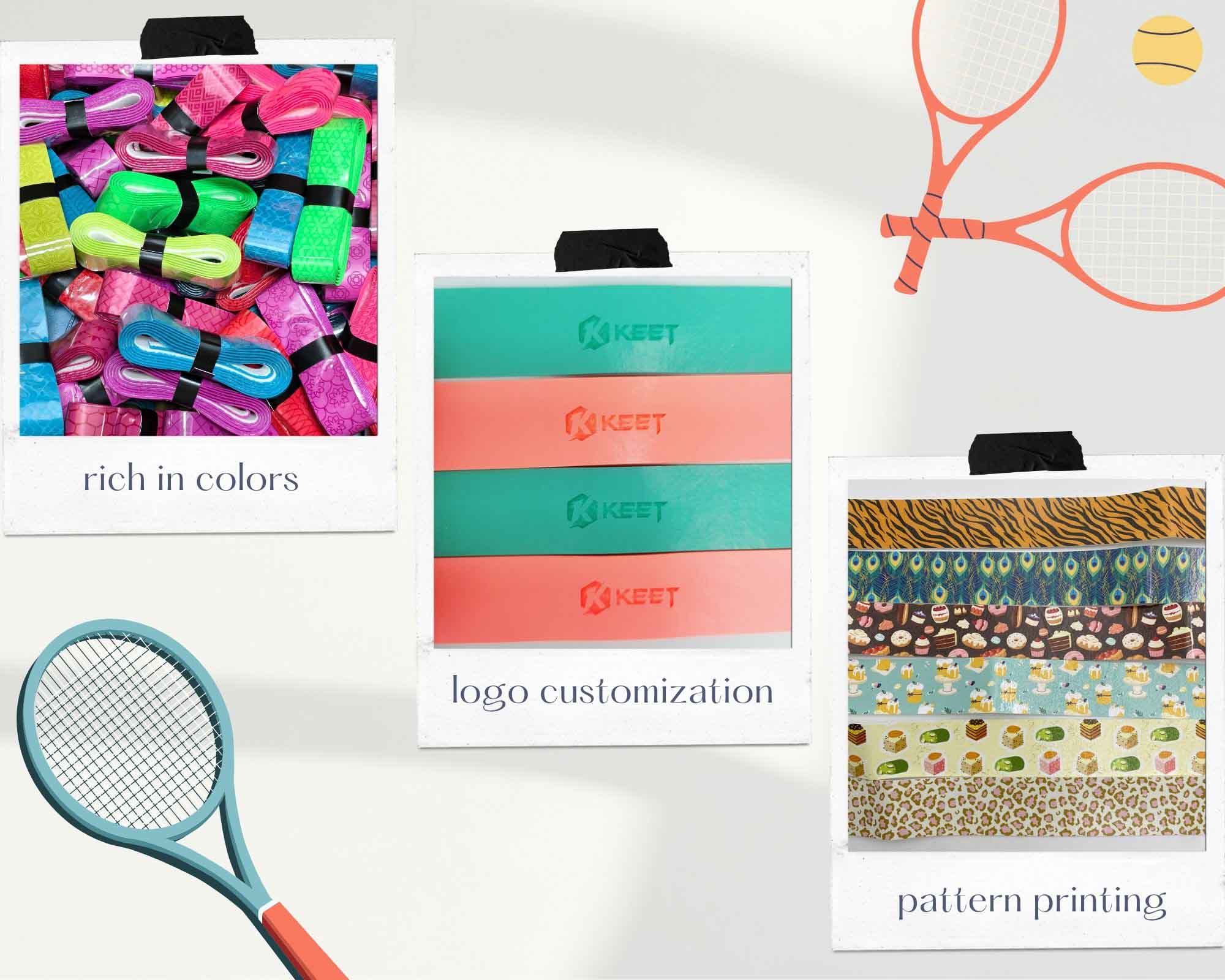
In today's increasingly competitive market for overgrip marked by homogenization, how can your brand stand out both on the field and in the market? The personalized customization service for overgrips is precisely the "secret weapon" for enterprises to enhance brand recognition, deepen emotional connections with users, and seize niche markets. Leveraging our comprehensive customization capabilities and advanced production technologies, our company offers enterprise clients a one-stop solution encompassing color selection, logo customization, and pattern printing, transforming each overgrip into a mobile carrier for brand communication.

I. Why need to choose personalized overgrip customization?

Firstly, an opportunity for high-frequency brand exposure. Overgrips are frequently used during sports activities, every swing, strike, or grip is a golden opportunity for brand exposure. Through customized designs, corporate logos, slogans, or visual symbols can accompany users throughout their activities, facilitating the transformation from "passive exposure" to "active memory."

Secondly, precise target audience reach. Customized overgrips can strengthen the association between the brand and product.

Thirdly, cost-effective brand marketing. Compared to costly advertising investments, customized overgrips offer controllable costs and a long transmission cycle, making them particularly suitable for small and medium-sized enterprises or startup brands to quickly establish a differentiated image.

II. Our three core customization advantages to meet diverse needs.

1.Color Freedom: richly colored and customizable racket overgrip. Our company offers a wide spectrum of colors, ranging from classic basics to distinctive fluorescent colors. We also employ gradient printing technology to achieve color transition effects on overgrips, launch gradient overgrip products. For corporate clients, we can integrate signature brand colors into overgrip designs, conveying corporate philosophy to the outside world and enhancing brand recognition and memorability.

2.Enhancing Brand Value: logo customization high quality racket overgrip. For corporate clients, customizing brand logos on overgrips is a highly effective brand promotion strategy. Our factory is equipped with professional machinery capable of printing  corporate logos on overgrips with burr-free edges. We can also achieve a three-dimensional logo effect through mold embossing, enhancing brand texture. Overgrips adorned with brand logos serve as an invisible form of advertising for the enterprise, increasing brand exposure and awareness.

3.Showcasing Unique Charm: customized pattern wear-resistant racket overgrip. We can provide clients with a variety of patterns in different styles, whether it's minimalist and fashionable designs or lively and interesting cartoon characters, all of which can be perfectly presented on overgrips. Unique overgrips can attract more consumer attention and bring a broader consumer base to enterprises.

III. Customization process, efficient collaboration for win-win results.

1.Needs Communication: Our company assigns dedicated professionals to engage in one-on-one communication with clients to clarify their needs and provide product quotations.

2.Mass Production: With a complete production line and skilled workforce, we can handle large-volume production orders. The entire production process is controllable, and we can track production progress at any time to ensure timely delivery within the specified timeframe.

3.After-Sales Support: We have dedicated after-sales service personnel available for 24-hour online responses. Clients can consult our staff regarding any product issues, and we will handle them promptly to meet client needs to the best of our ability.

Take action now! Let overgrips become the new engine for brand growth, turning each overgrip into a mobile billboard for your brand. KEET's overgrip customization service offers clients color, pattern, and logo customization options, showcasing brand personality and style while enhancing brand awareness. Empower more enterprises with customized sports equipment.

Top

Pickleball customization Empowering corporate with professional quality

In the modern business environment, as a professional supplier in the pickleball sector, we understand the critical importance of high-performance, visually appealing pickleball products in enhancing our clients' brand market share. To this end, we have crafted pickleball products that seamlessly blend professionalism and practicality, leveraging premium PE materials, innovative manufacturing techniques, and personalized services to help corporate clients expand into broader consumer markets.

I. Core strengths: Technology-driven, exceptional quality.

1. Premium PE material, safe and durable.
Our pickleballs are made from high-quality polyethylene (PE), renowned for its non-toxic, eco-friendly properties and strong weather resistance. Whether used indoors or outdoors, they effectively withstand UV rays and humid conditions, significantly reducing the risk of deformation or fading over prolonged use.

2. Rotational molding: Leading-edge craftsmanship.
Rotomolded one-piece construction, the balls structure achieves seamless integration, eliminating potential cracks inherent in traditional stitched designs. This process enhances impact resistance while delivering high elasticity and precise rebound, ensuring stable flight with every strike to meet both professional training and recreational demands.

3. Crack-resistant design: High quality and durable.
Optimized wall thickness and hole distribution, combined with the flexibility of PE material, equip our pickleballs with superior crack resistance for high-frequency use. Even during intense rallies, they minimize breakage risks, reducing replacement costs for corporate clients.

II. Diverse options: Different colors and styles to meet personalized needs.

1. Three vibrant colors: Refreshing and dynamic.
Available in yellow, green, and pink, our color palette balances visual recognition and athletic aesthetics. Businesses can freely customize combinations to align with their brand identity, transforming pickleballs into mobile ambassadors of corporate culture.

2. Two models: Tailored for different scenarios.
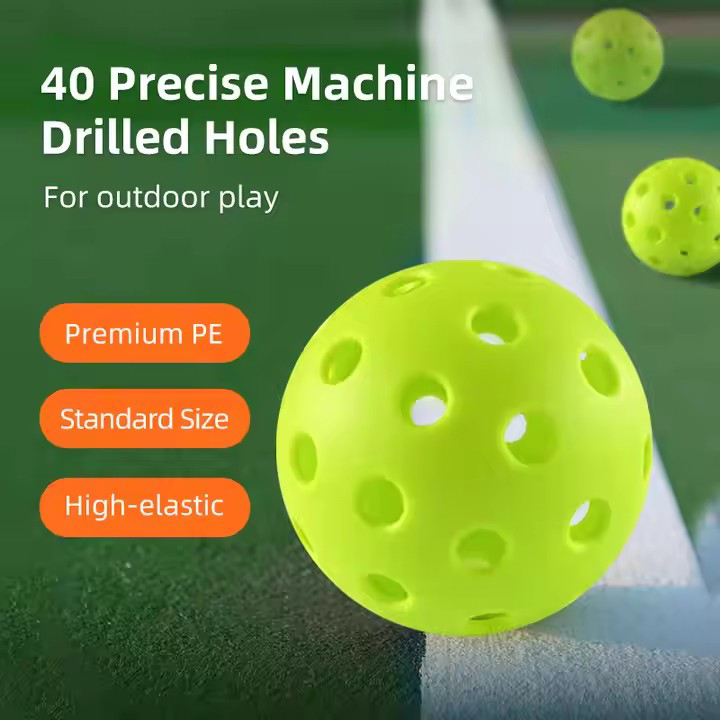
26-hole features larger, evenly spaced holes for stable flight trajectories, ideal for beginners or outdoor leisure. 40-hole with denser holes and reduced air resistance, it achieves faster flight speeds, catering to advanced players seeking precision.

III. Customization services: Brand imprint, exclusive presentation.

We offer customizable ball logo printing services, enabling businesses to showcase their brand logo, slogans, or team names on the ball surface. This transforms customized pickleballs into practical yet impactful brand symbols, reinforcing corporate image recognition.

Our pickleballs are more than just sports equipment, they symbolize corporate vitality and cohesion. From material selection to craftsmanship refinement, and from color design to customization, we prioritize client needs at every step, striving to deliver safe, durable, and personalized pickleball products for every corporate client. Contact us to explore product details and customization options. Let every strike amplify your brand's strength!

Top

Strategies for selecting badminton grip tape in different seasons

In badminton, grip tape serves as the direct contact layer between the racket and the palm, and its performance directly affects grip stability, power accuracy, and athletic comfort. Climate variations across different seasons lead to significant changes in hand perspiration levels, skin dryness, and ambient humidity, thereby creating differentiated demands for the core functions of grip tape, such as anti-slip properties, sweat absorption, and warmth retention. This article will delve into two major scenarios—hot and humid summers and cold and dry winters, and provide customers with scientific strategies for selecting grip tape by combining material characteristics with usage scenarios.

I. Hot and humid summers: anti-slip and sweat absorption as core requirements.

During summer sports, hand perspiration increases dramatically, and traditional grip tape is prone to a sharp decline in anti-slip performance due to sweat penetration, even posing a risk of the racket slipping out of the hand. Therefore, when selecting grip tape in summer, particular attention should be paid to the following performance aspects:

1. Material selection: prioritize towel grip tape and perforated PU grip tape.

Towel grip tape: Made from soft fabric, usually cotton or microfiber. It rapidly absorbs sweat through the gaps between fibers, with a sweat absorption rate three times that of ordinary PU grip tape. Moreover, it can maintain surface friction even after absorbing sweat, making it suitable for high-intensity training or competitive scenarios.

Perforated PU grip tape: Features honeycomb-shaped air vents on the PU surface layer, accelerating sweat evaporation through air circulation while maintaining anti-slip performance, providing a stable grip even in hot and humid environments.

2. Thickness and extensibility: balancing cushioning and sensitivity.

Thin grip tape: Suitable for skill-oriented players, it enhances tactile sensitivity by reducing the thickness of the grip tape, facilitating quick adjustments to grip positions.

Thick grip tape: Ideal for power-oriented players, it reduces palm pressure by adding a cushioning layer and effectively disperses impact forces.

3. Replacement frequency: establish a scientific monitoring mechanism.

The replacement cycle of grip tape in summer should be dynamically adjusted based on usage intensity:

Professional players: For daily training, replacement should occur once a week, or a replacement strategy should be implemented during intermissions in critical matches.

Amateur enthusiasts: It is recommended to replace grip tape 2-3 times a month, with immediate replacement required when signs of sweat erosion or detachment of the anti-slip layer appear.

II. Cold and dry winters: emphasizing both anti-slip and warmth retention.

Low winter temperatures can cause hand skin to dry out and reduce perspiration, but the cold environment may also harden the grip tape, diminishing its elasticity and anti-slip performance. Additionally, the large temperature difference between indoors and outdoors can easily lead to hands stiff, affecting power accuracy. Therefore, when selecting grip tape in winter, the following key points should be considered:

1. Material selection: focusing on elasticity and thermal insulation.

Silicone composite grip tape: Enhances anti-slip performance through a silicone layer while incorporating thermal insulation fibers in the inner layer to maintain palm temperature.

Thickened PU grip tape: Improves thermal insulation by increasing the thickness of the PU layer while maintaining anti-slip performance, providing stable friction even in dry environments.

2. Anti-slip design: optimizing texture and adhesion.

Keel grip tape: In winter, keel grip tape can be selected, enhancing anti-slip properties through slight textures while maintaining tactile sensitivity.

Sticky grip tape: Adds an adhesive coating to the PU surface layer to enhance anti-slip performance through chemical adhesion.

Grip tape, acting as the "second skin" in badminton, directly influences technical performance and athletic safety. In summer, the focus should be on "anti-slip + sweat absorption," with priority given to towel grip tape or perforated PU grip tape. In winter, a balance between "anti-slip + warmth retention" is essential, with silicone composite or thickened PU grip tape being preferred choices. By making scientific selections and dynamically adjusting replacement cycles, athletic performance can be significantly improved, and the risk of injury reduced. As professional player Viktor Axelsen once said, "Grip tape is the soul of the racket, every precise shot begins with a perfect grip."

Top

Strategies for using overgrips in different weather conditions

In ball sports, the overgrip serves as the most direct connection between a player and their racket. Its performance not only affects technical execution but also relates to safety and comfort. However, weather changes can significantly alter the effectiveness of an overgrip—dampness in rainy conditions can lead to slippage, while sweltering heat in high temperatures may cause hand fatigue. This article focuses on two typical weather scenarios, analyzing how targeted selection of overgrips can enable players to maintain peak performance under adverse conditions.

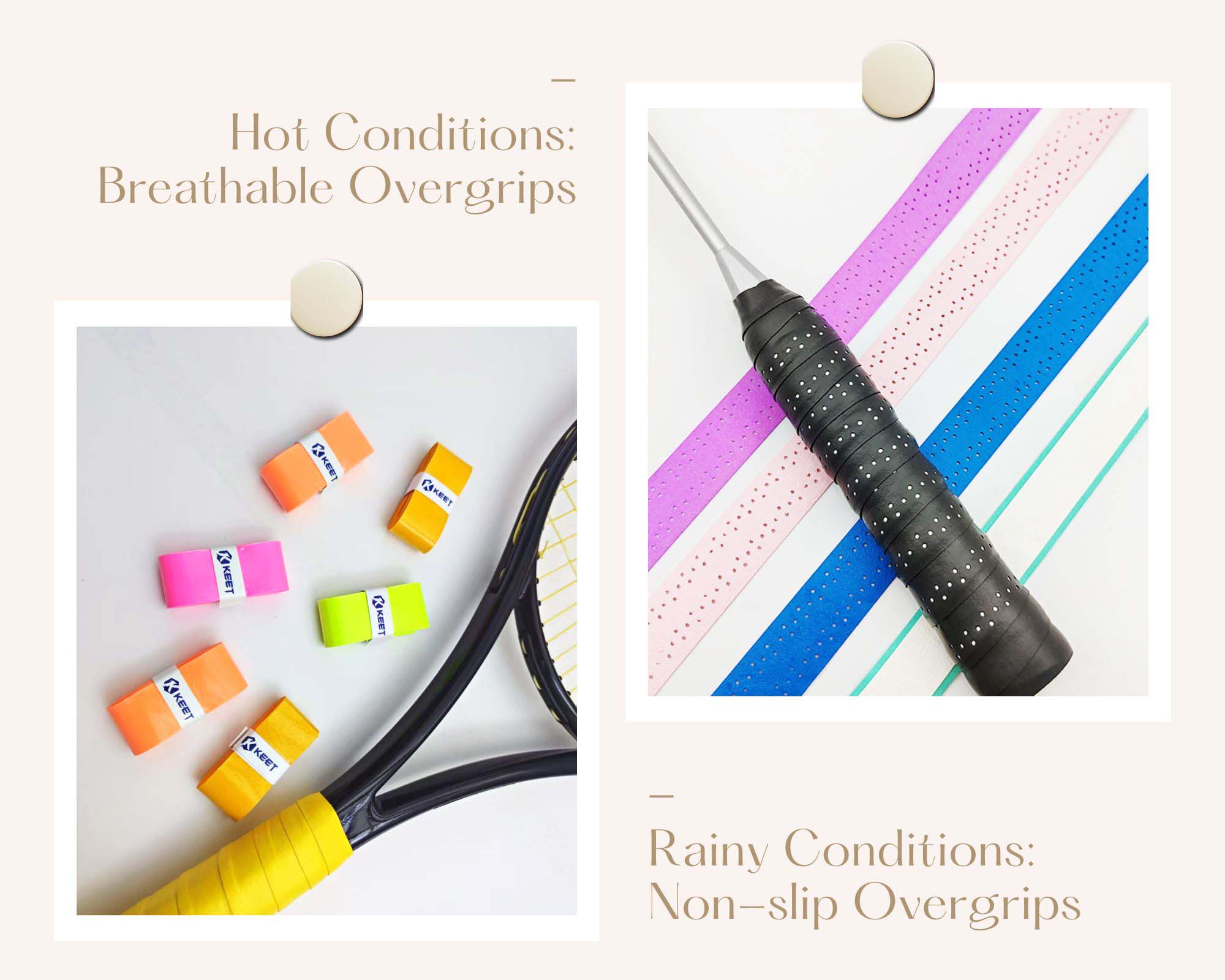
I. Rainy Conditions: Non-slip Overgrips

On a court in the rain, the racket become slippery after getting wet, posing challenges to the player's ball control accuracy and swing stability. Therefore, the anti-slip function of overgrip is particularly important on rainy days.

1. Surface Texture Design

Non-slip overgrips typically use silicone material with a surface covered in particles or wave-like patterns. This design enhances grip by increasing contact area, preventing the bat from slipping easily in wet conditions.

2. Wrapping Techniques

· Double-layer wrapping method: Apply a thin layer of non-slip overgrip as a base, then cover it with a thicker layer to add friction buffer space through increased thickness.

· Waterproof tape reinforcement: Wrap a circle of waterproof tape around the top of the bat handle to prevent rainwater from seeping into the overgrip through the joint.

· Carry a dry cloth: Quickly wipe the bat and overgrip surface during breaks between innings to reduce moisture retention.

II. Hot Conditions: Breathable Overgrips

In sweltering summer conditions, players' hands sweat profusely, causing ordinary overgrips to become sticky due to trapped heat. This not only affects smooth operation but may also lead to skin friction injuries. Therefore, breathable overgrips are ideal for high-temperature environments, offering a "breathable" gripping experience.

1. Perforated Overgrips

Perforated designs enhance overgrip breathability by distributing evenly spaced ventilation holes that effectively evaporate sweat, promote airflow, and keep hands dry for better performance.

2. Keel Overgrips

In hot weather, an overgrip that is too thick exacerbates heat retention, while one that is too thin lacks sufficient shock absorption. A perforated keel overgrip combines effective breathability with enhanced shock absorption, balancing both properties.

Weather is one of the most uncontrollable variables in sports, but by scientifically selecting overgrips, players can still turn environmental disadvantages into technical advantages. Non-slip overgrips act as stabilizers in rainy conditions, while breathable overgrips enable sustained performance in high heat. Choosing the right overgrip for the environment is key to a better sports experience.

Top

The importance of regularly replacing bicycle handlebar tape

During the cycling process, bicycle handlebar tape has a crucial impact on the cycling experience. Regularly replacing bicycle handlebar tape can not only enhance the comfort of cycling but also improve controllability and anti-slip, safeguarding both safety and enjoyment during rides.

Relieving Hand Fatigue: Comfortable Bicycle Handlebar Tape.

When cycling, hands hold the handlebars for a long time. As the usage time increases, the handlebar tape gradually wears out, deforms, and loses its original elasticity. Old tape becomes stiff and is unable to effectively buffer the vibrations generated during cycling. As a result, the hands directly bear the impact from the road surface, making the hand muscles prone to fatigue, soreness, and even possibly leading to hand joint injuries. In contrast, new handlebar tape usually has good elasticity and softness. It can better conform to the curves of the hands, distribute hand pressure, and keep the hands in a comfortable state throughout the ride. During long - distance cycling, cyclists using new tape will experience significantly less hand fatigue, enabling them to complete their cycling journeys more easily and enjoy the fun of cycling.

Ensuring Cycling Safety: Stable and Safe Bicycle Handlebar Tape.

The controllability of bicycle handlebar tape is directly related to cycling safety. The surface of old tape may show signs of wear, fraying, etc., which can affect the friction between the hands and the handlebars and reduce the ability to control the handlebars. Regularly replacing the tape ensures that the handlebar surface always maintains good friction. New bicycle handlebar tape usually has appropriate textures and materials that can increase the friction between the hands and the handlebars, making it easier for cyclists to grip the handlebars. Whether riding at high speeds on flat roads or winding through rugged mountain paths, cyclists can control the direction and speed of their bicycles more precisely, thus improving cycling safety. Good bicycle handlebar tape controllability allows cyclists to face various challenges more calmly and avoid falling due to hand slippage.

Coping with Adverse Weather: Anti-slip Bicycle Handlebar Tape.

During cycling, it is inevitable to encounter adverse weather conditions such as rainy or snowy days. In these situations, the road surface is slippery, and hands are also prone to sweating. If the tape has poor slip-resistance, the hands can easily slip off the handlebars, causing the cycling to get out of control. Due to long-term use, the slip-resistance of old tape significantly decreases, and it is even more difficult to provide sufficient slip-resistance in adverse weather. New bicycle handlebar tape adopts special materials and textures to increase the friction between the hands and the handlebars. Even when cycling in the rain with water stains on the hands or when the hands are sweaty, new tape can provide reliable slip-resistance, allowing cyclists to hold the handlebars steadily and reduce the risk of accidents caused by hand slippage.

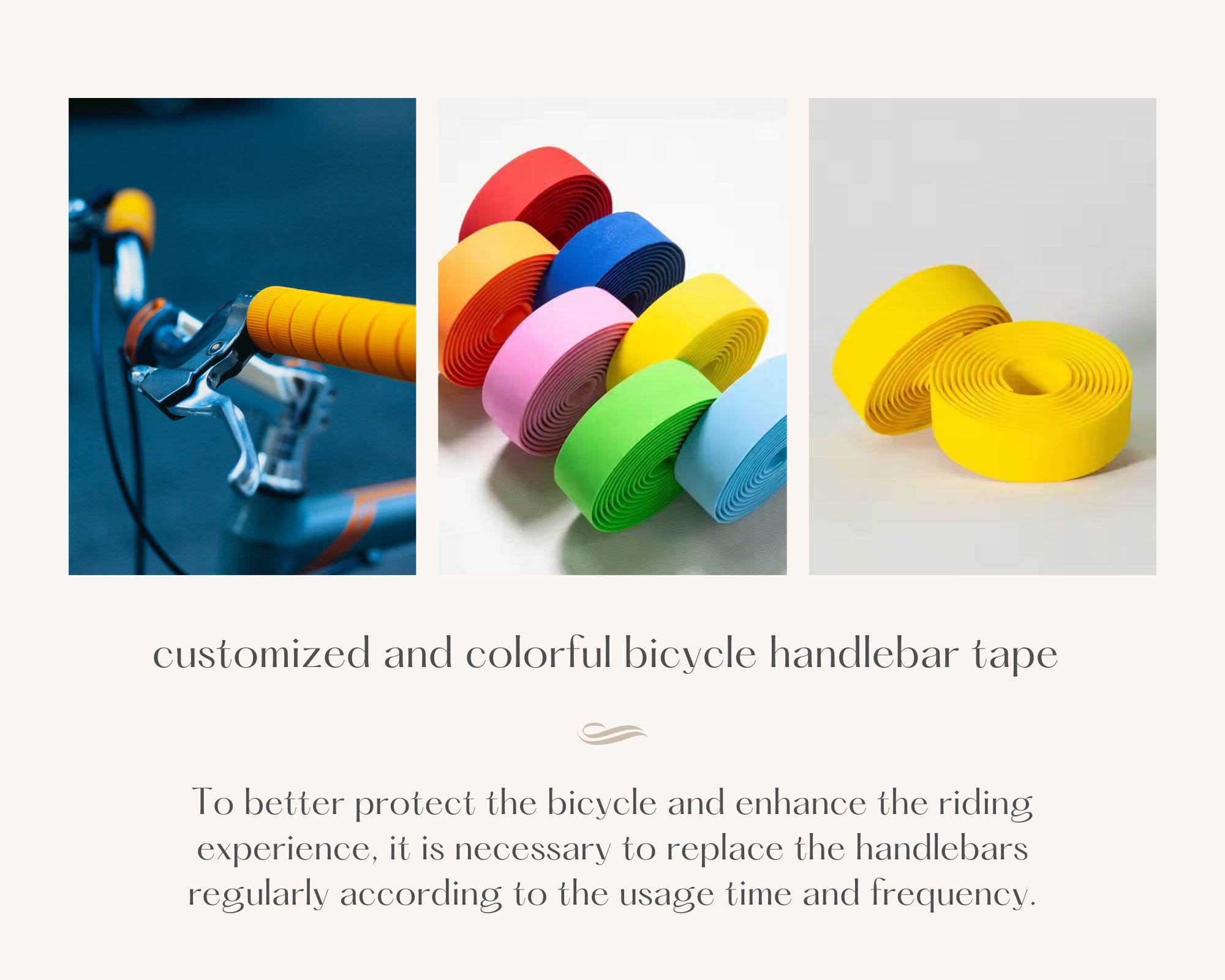
Enhancing Cycling Mood: Customized and Colorful Bicycle Handlebar Tape.

In addition to the above-mentioned functional impacts, regularly replacing bicycle handlebar tape can also keep the bicycle looking neat and beautiful. After long-term use, old tape becomes dirty and shabby, affecting the overall appearance of the bicycle. However, new bicycle handlebar tape with bright colors and good texture can add a new vitality to the bicycle.

Regularly replacing bicycle handlebar tape is of great importance for cycling. It not only enhances cycling comfort, relieves hand fatigue, improves controllability and anti-slip, and ensures cycling safety but also keeps the bicycle looking neat and beautiful, enhancing the cycling mood. Therefore, it is recommended that cyclists regularly check and replace their bicycle handlebar tape according to their cycling frequency and usage conditions, adding more guarantees and fun to their cycling journeys.

Top

What are the common misconceptions about using tennis overgrips?

In tennis, the overgrip is a crucial accessory that enhances grip comfort, slip resistance, and the precision of force application. However, some customers misconceptions when selecting and using overgrips, which not only affect their athletic performance but may also increase the risk of injury. This article will focus on three typical misconceptions, helping more customers understand overgrips so that every purchase can be more professional and safer.

Misconception 1: Is a thicker overgrip always better? Actually, it may affect tactile flexibility.

Some people believe that a thicker overgrip provides better protection for the palm and reduces vibration, even mistakenly equating thickness with professionalism. As a result, they choose the thickest towel overgrips on the market or stack multiple layers of overgrips, only to find the opposite effect. For instance, fingers may struggle to bend naturally when gripping the racket, feedback during force application becomes sluggish, and the cumbersome feel deforms technical movements. The core function of an overgrip is to strike a balance between slip resistance and tactile feel. An overly thick overgrip presents two issues: first, it reduces tactile sensitivity; second, it restricts finger flexibility. The correct approach is to match the thickness to specific needs to achieve optimal use of the overgrip.

Misconception 2: Reusing the same overgrip repeatedly? Actually, it easily breeds bacteria and reduces slip resistance.

Some users, motivated by cost savings or laziness, continue to use the same overgrip for weeks or even months, failing to replace it even when the surface turns black and frayed, unaware that this behavior is silently undermining their health and performance. The slip resistance of an overgrip depends on the friction coefficient of its surface material. Over time, three factors—sweat erosion, bacterial growth, and physical wear—accelerate the loss of slip resistance. Therefore, the correct practice is to replace overgrips regularly and clean them scientifically to ensure they function effectively.

Misconception 3: Neglecting racket handle cleaning? Actually, residual dirt accelerates overgrip aging.

Many people skip the step of cleaning the racket handle before wrapping a new overgrip, allowing sweat stains and dust from the old overgrip to come into contact with the new one, forming a layer of dirt. This not only affects the adhesive strength of the new overgrip but also shortens its lifespan. The correct procedure for replacing overgrips involves three steps: first, remove the old overgrip; second, thoroughly clean the racket handle by wiping away dirt; third, ensure the handle is free of moisture before wrapping the new overgrip.

Details determine athletic performance. Although an overgrip is a small accessory, it is crucial for grip comfort, force efficiency, and health and safety. By avoiding the three major misconceptions mentioned above, users can not only extend the lifespan of their overgrips but also experience precise control with every shot. These minor adjustments will ultimately converge into a powerful boost for technical advancement.

Top

What are the functions of baseball bat grip tape?

In baseball, bats, gloves, and cleats are often regarded as core equipment, yet the role of grip tape, is frequently underestimated. Whether for professional players or amateur enthusiasts, the proper use of grip tape not only enhances grip experience but also directly impacts hitting stability, power transfer, and athletic safety. This article delves into the four core functions of baseball grip tape.

1.Anti-slip: Sweat-absorbing baseball bat grip tape.

In baseball, sweaty hands are the greatest enemy of grip stability. When players swing the bat in high-temperature or high-intensity games, friction between the palm and the bat decreases rapidly due to sweat, leading to loose grips or even slippage. So the function of the grip tape is to increase friction. High-quality grip tape has an anti-slip texture, which can maintain grip even when hands are wet. The other one is instant sweat absorption, which disperses the sweat onto the surface of the bat and causes it to evaporate, preventing excessive moisture from affecting the performance of the bat.

2.Shock absorption: High-quality baseball bat grip tape.

The impact force generated when a bat collides with a baseball is immense. Without effective cushioning, long-term exposure can lead to wrist strain. So the function of the grip tape is to disperse the impact. The elastic materials such as EVA in the grip tape can absorb some vibrations and reduce the direct impact on the joints of the hands.

3.Enhanced grip comfort: Customize baseball bat grip tape.

The standard diameter of a baseball bat handle is typically 3132 mm, but hand sizes vary significantly among players. An overly thin handle can cause finger fatigue, while an overly thick one reduces power efficiency. So the grip tape function is to adjust the size of the handle. By controlling the number of packages, players can adjust the diameter of the handle to fit different hand sizes.

4.Extending the lifespan of equipment: Wear-resistant baseball bat grip tape.

The handles of wooden or metal bats are prone to cracking and mold due to long-term exposure to sweat, and the cost of replacing the bats is extremely high. So the function of the grip tape is to prevent sweat. As a physical barrier, the grip tape can prevent sweat from directly contacting the surface of the bat, delaying the aging of the racket. Another one is to reduce wear and tear. The soft texture of the grip tape minimizes friction during the grip process, thereby extending the service life of the racket.

The value of baseball grip tape extends far beyond its basic anti-slip function. It is a guardian of hitting accuracy, a preventer of sports injuries, and an extender of equipment lifespan. This small accessory plays a disproportionately large role in elevating a player's performance and equipment durability.

Top

What customization services are available for golf grip tape?

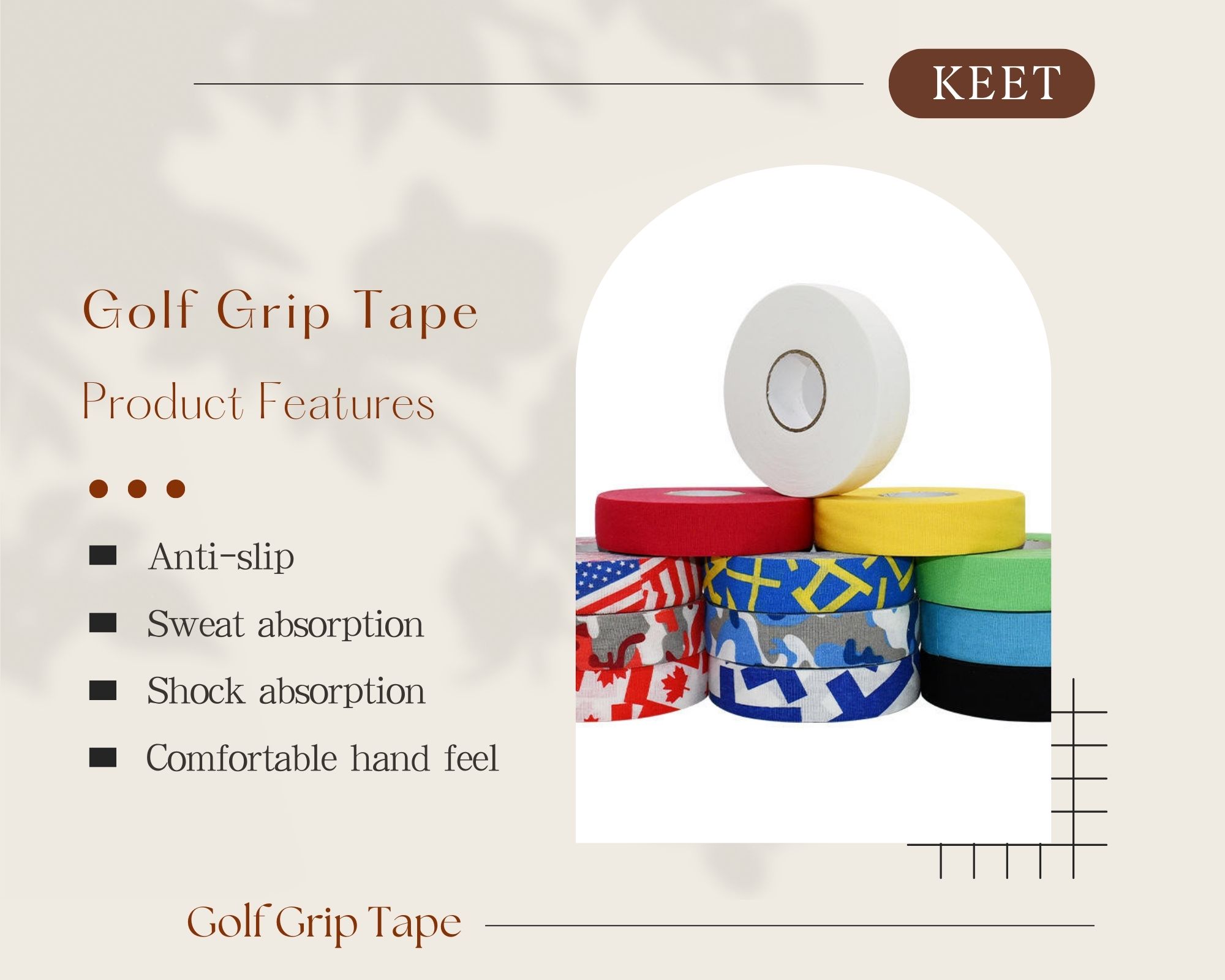
In golf, clubs are not just tools for hitting the ball, they are also an extension of a player's personality. As the direct contact layer between the club and the palm, the functionality and aesthetics of the overgrip directly influence the hitting experience. Nowadays, with the growing demand for personalization, custom golf grip tape services have gradually become a trend. From brand logos to artistic patterns, from color schemes to material selection, customization services offer customers a comprehensive and personalized solution. This article will provide a detailed introduction to the core services of KEET's customized overgrips.

I. Three core directions of customization services

1. Logo Customization: Showcasing brand and identity.

· Corporate or Team Logos: Corporate clients can incorporate their brand logos into customized overgrips to enhance brand exposure and strengthen brand image. Printing the company name or iconic patterns on the overgrips turns the club into a mobile "promotional billboard."

· Personal Signatures or Nicknames: Professional players or golf clubs can customize exclusive signatures, abbreviations, or nicknames, giving the golf a unique identity tag.

2. Pattern Customization: The fusion of art and sport.

· Trendy Elements: From geometric lines to abstract art, patterns can break away from traditional designs to match the fashion attitude of corporate clients, thereby attracting a broader younger consumer base.

· Cultural Symbols: Elements such as national flags, totems, and traditional patterns can also be customized into grip designs. We cater to clients from all over the country, meeting diverse customization needs.

3. Color Customi zation: Application of color psychology.

We offer a variety of colors for clients to choose from. Corporate clients can select colors that align with their brand's theme to reinforce brand identity.

II. Functional value of customized overgrips

Customization services not only meet personalized needs but also enhance the core performance of overgrips through material and design optimization.

1. Anti-slip Properties: Precise control for stable hitting.

Customized overgrips can increase friction through texture, ensuring a firm grip even with sweaty hands or in rainy conditions, thereby reducing hitting deviations.

2. Sweat Absorption: Keeping dry and enhancing comfort.

High-end customized overgrips feature perforated designs that quickly absorb and evaporate sweat, preventing hand slippage or blisters, making them suitable for prolonged swinging or high-temperature environments.

3. Shock Absorption: Protecting joints and reducing fatigue.

Through thickened designs or embedded shock-absorbing strips, customized overgrips can effectively cushion the impact during hitting, reducing stress on the wrists and elbows, particularly suitable for high-intensity training or individuals with joint discomfort.

4. Comfortable Feel: Meet the needs of different customers.

Customization services offer various thickness options to cater to different hand sizes and grip preferences, achieving a comfortable touch.

Golf grip tape customization services represent the integration of technology and art, the unity of functionality and individuality. From logos to patterns, from colors to materials, KEET strives for perfect customization in every detail. Choosing customized overgrips is not just an upgrade to the hitting experience but also a showcase of a corporate brand's unique style.

Top

What is the best grip tape for pickleball paddles?

For pickleball players, the grip tape is often the unsung hero of their equipment setup. While paddles and balls dominate conversations about performance, the right grip tape can significantly enhance comfort, control, and even injury prevention. This guide explores the key factors in selecting the best grip tape for pickleball paddles.

Firstly, why grip tape matters? Pickleball demands repetitive wrist movements, quick transitions, and hours of play. A subpar grip tape can lead to slippage, blisters, or even long-term wrist/elbow strain. The best grip tapes address these issues through three core functions: non-slip surface, moisture absorption, cushioning.

Secondly, why can KEET provide the best grip tape? KEET's overgrip is a budget-friendly option that doesn't compromise on quality. The factory-direct pricing also makes it cost-effective for bulk purchases. Its durability is unmatched, making it ideal for players. The overgrip vibrant colors also add a personalized touch to paddles. For company or clubs seeking branding opportunities, KEET's customizable overgrips are ideal. KEET grip tape has the following advantages:

· Made from high-quality materials for wear resistance.

· Non-slip, sweat-absorbent material with a soft texture.

· Comfort cushioning to reduce fatigue during long matches.

· Moisture-wicking surface with a tacky feel for all-weather grip.

· Customizable with logos or patterns (need to be met minimum order required).

Finally, how to choose the right grip tape? Aggressive players opt for thicker tapes with extra cushioning to absorb power shots. Control-oriented players prioritize tacky surfaces for precise ball placement. Smaller hands may benefit from thinner tapes to maintain maneuverability. When it comes to grip tape maintenance, two points need to be noted. Replace grip tape every 3–6 months, or sooner if signs of wear appear. Clean handles with a damp cloth before applying new tape to ensure adhesion.

Ultimately, the best grip tape is one that aligns with your playing style, hand comfort, and aesthetic preferences. Choose the grip tape that suits you, ensuring every swing feels as natural as a handshake.

Top