The debate between electrostatic air cleaners and traditional mechanical filters to combat fine particulate matter like PM2.5 has been ongoing. Which one is the true "nemesis"?
Drawing on the latest technological trends and practical application data, and as an industry observer based in Guangzhou, we will delve into the advantages and disadvantages of these two technological approaches today.
The battle for core technologies
1. Traditional mechanical filtration: A reliable and steady "gatekeeper"
Mechanical filtration is currently the most mature and widely used technology in industrial dust removal. Its core principle is to use physical interception, capturing particulate matter through layers of fiber mesh.
Representative products : Bag filters, Pocket filters, and HEPA filters.
Advantages :
High safety – it does not produce secondary pollutants like ozone and meets strict environmental protection standards.
Mature technologies: Fan Filter Units (FFU) and ceiling HEPA systems are widely used in the semiconductor and pharmaceutical industries, which have extremely high air quality requirements.
Highly targeted: It can achieve near-perfect interception of dust particles of specific sizes (such as F9 filters and H14 HEPA filters).
2. Electrostatic Filters: High-Efficiency, Low-Resistance "Hunters"
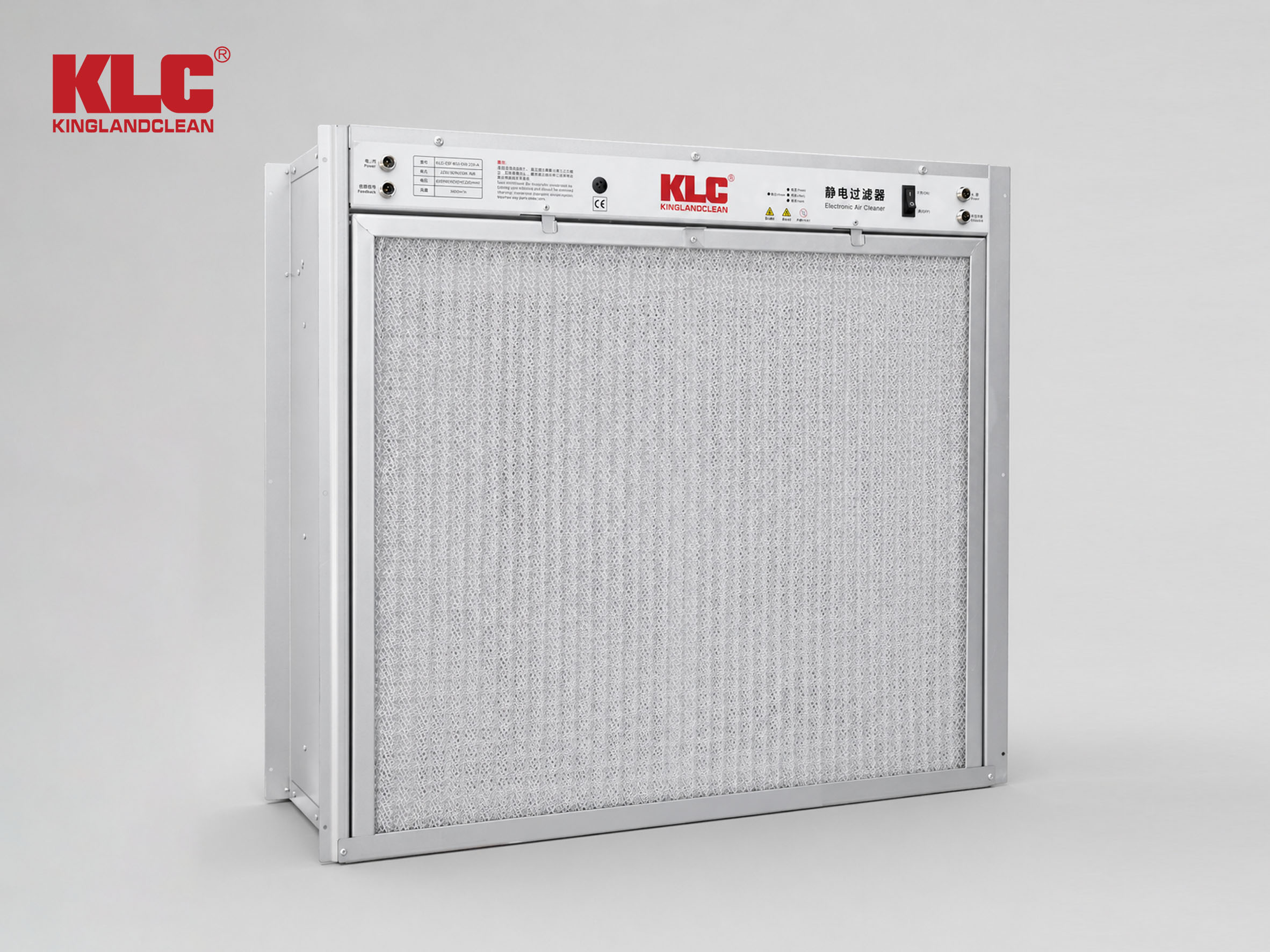
Electrostatic technology uses a high-voltage electric field to charge dust particles, which are then captured by a dust collection plate.
Representative products : Electrostatic precipitators and electrostatic air purifiers.
Advantages :
Extremely low wind resistance – when treating large volumes of industrial waste gas, energy consumption is much lower than that of mechanical methods.
Cleanable and reusable : Many industrial electrostatic filters can be washed with water, reducing long-term consumable costs.
Pre-filter interception : In the pre-filter stage, electrostatic technology can effectively capture large particles and protect the precision mechanical filter at the back end.
A "watershed" in industrial Applications
In actual industrial settings, the choice between the two often depends on the specific production environment.
Scenario 1: Precision Manufacturing and Pharmaceuticals
In semiconductor cleanrooms or pharmaceutical air filtration environments, any secondary contamination is absolutely unacceptable. Therefore, these environments are almost entirely dominated by mechanical filters. From the G4 pre-filter to the terminal HEPA filter, each step ensures a Class 100 environment.
Scenario 2: High Dust and High Humidity Environment
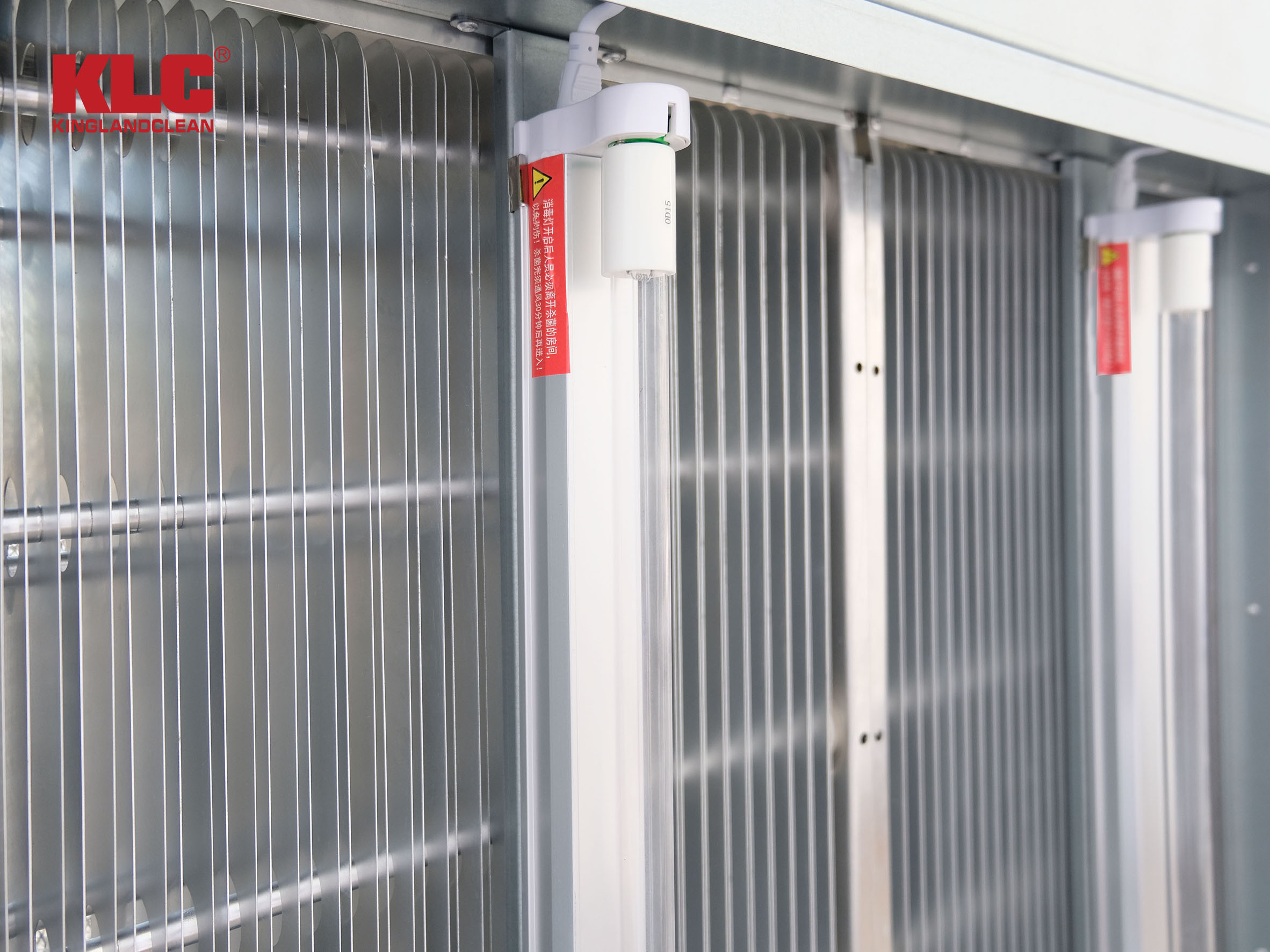
For workshops that generate large amounts of dust or oil mist, such as foundries and chemical plants, simply using a panel air filter will cause the filter to clog rapidly, resulting in extremely high maintenance costs. In this case, configuring an electrostatic dust collector at the front end as a primary treatment stage can significantly extend the lifespan of the downstream mechanical filter, making it the most cost-effective combination.
There Are No Absolute Kings, Only the Best Combinations
Returning to the original question: what is the nemesis of PM2.5? The answer is: a combination of both is the key.
In industrial dust removal systems, we typically recommend a combination of electrostatic pretreatment and mechanical fine filtration. Electrostatic filters utilize their low resistance to handle large volumes of dust-laden gas, followed by final interception of fine particles using HEPA or pocket filters. This combination not only solves the ozone problem that electrostatic filtration may generate but also overcomes the drawbacks of mechanical filtration, such as high resistance and high-pressure differentials, making it the most efficient solution for industrial air purification currently available.