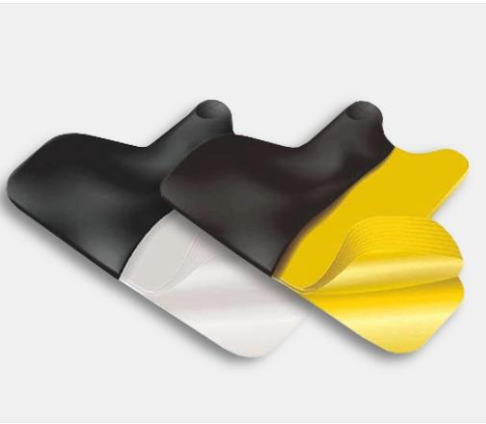
NEW Car Wrap Absorbent Tool Soak Shield Rope

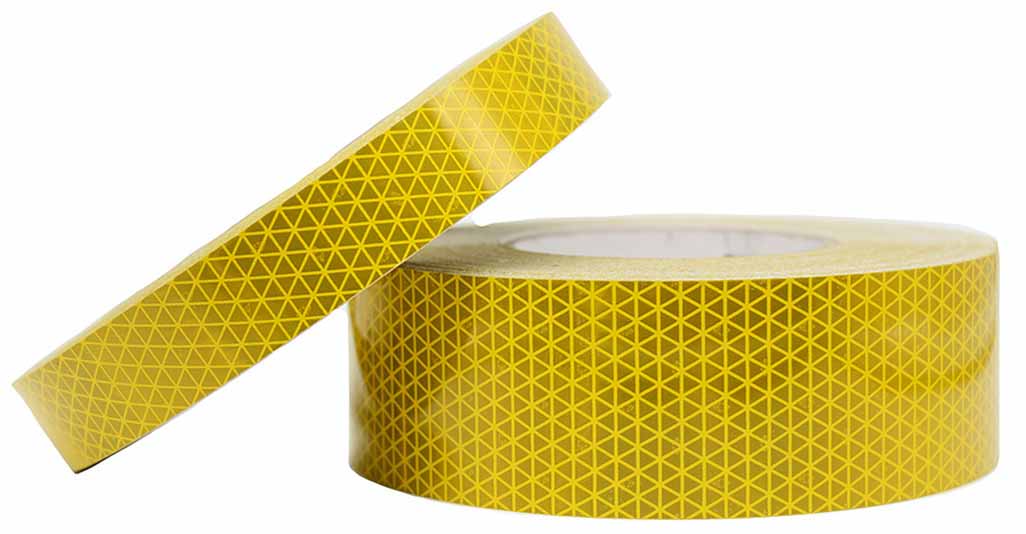
The window tinting industries first and only absorbent rope braid used for absorbing water running down behind the dash of a vehicle while installing film. Helping to protect the electronics and other parts from water damage.


The Soak Shield rope is also used to collect the water that would absorb into the top layer of what the dashboard is covered in. Example: Leather, Suede, Vinyl, and Cloth. When water is left to sit on the edges of the dash it can cause the material to unglue and curl up on the edges, damaging the whole dashboard. Made of microfiber strands braided together by hand for window tinters by tinters. Used by Installers World Wide.


This foshio braided Absorbent rope is tucked between the bottom of the windshield and the dashboard to stop and soak up the water running down behind the dash and causing issues with electronics.

吸水绳海报.jpg


Top

Curved Roof Stage Truss A Customized and Portable Solution for Modern Staging

In the world of event planning and stage design, versatility and innovation are key. One of the most striking and functional advancements in recent years is the curved roof stage truss. This unique structure not only adds an aesthetic appeal but also offers practical benefits that make it a popular choice for various events.

The Alluring Curved Roof Shape

The first thing that catches the eye is the roof's distinctive curved shape. Unlike traditional flat or peaked roofs, a curved roof stage truss provides a sleek and modern look that can transform any venue. The curvature adds a dynamic element to the stage, making it a focal point of the event. Whether it's a concert, a corporate event, or a theatrical production, the curved roof adds a touch of elegance and sophistication.

Customized to Meet Client Needs

One of the most significant advantages of the curved roof stage truss is its customization. This is not a one-size-fits-all solution; instead, it is tailored to meet the specific requirements of each client. From the dimensions and curvature of the roof to the overall design and layout, every aspect can be adjusted to fit the vision and practical needs of the event. This level of customization ensures that the stage truss not only looks great but also functions perfectly in its intended environment.

Portable and Modular Aluminum Alloy Truss System

The truss system itself is designed with both functionality and convenience in mind. Made from aluminum alloy, the truss is lightweight yet incredibly strong. This material choice makes the truss system highly portable, allowing it to be easily transported and assembled at different locations. The modular design further enhances its versatility, as clients can choose between spigot truss or bolt truss systems based on their preferences and the specific requirements of the event.

The spigot truss system offers a quick and easy setup, making it ideal for events with tight schedules. On the other hand, the bolt truss system provides a more secure and robust structure, suitable for larger or more complex setups. This flexibility ensures that the curved roof stage truss can be adapted to a wide range of scenarios, from small intimate gatherings to large-scale productions.

Rainwater Proof: The Ultimate Protection

In addition to its aesthetic and functional benefits, the curved roof stage truss is also highly practical. It is designed to be rainwater proof, making it the perfect solution for outdoor events. The curved shape of the roof helps to channel rainwater away efficiently, preventing any accumulation that could damage the stage or the equipment. This feature ensures that the event can proceed smoothly even in adverse weather conditions, providing peace of mind for both the organizers and the attendees.

Conclusion

The curved roof stage truss represents a perfect blend of form and function. Its elegant curved design adds a touch of modernity and sophistication to any event, while its customizable nature ensures that it meets the specific needs of each client. The portable and modular aluminum alloy truss system makes it easy to transport and assemble, and the choice between spigot and bolt truss systems provides further flexibility. Finally, its rainwater proof design ensures that the stage remains protected and functional in all weather conditions.

If you're planning an event and looking for a stage truss that stands out, the curved roof stage truss is definitely worth considering. It's a versatile, practical, and visually stunning solution that can elevate your event to new heights.

Top

The Cubical Concert Stage A Revolution in Audience Engagement

The Cubical Concert Stage: A Revolution in Audience Engagement

The traditional concert stage, often a rectangular platform facing a single audience mass, presents inherent limitations in maximizing audience engagement and performance quality.  A radical departure from this paradigm is the cubical concert stage design, a configuration offering significant advantages in enhancing the viewing experience, facilitating advanced stage technology, and fostering a more intimate connection between performers and fans. This essay will explore the multifaceted benefits of this innovative approach, demonstrating its potential to redefine the live music concert experience.


Firstly, the cubical design fundamentally alters the audience-performer relationship by enabling a truly immersive, four-sided viewing experience. Unlike traditional stages, which often leave a significant portion of the audience with obstructed or suboptimal views, the cubical structure allows for a more equitable distribution of sightlines.  Every side of the cube can be treated as a performance face, eliminating the "back of the house" effect prevalent in conventional concert venues. This means that attendees, regardless of their ticket price or location within the venue, enjoy comparable, high-quality views of the performance.  This fosters a sense of inclusion and ensures that every member of the audience feels a vital part of the event.  The elimination of significantly compromised sightlines also translates to improved audience satisfaction and reduces potential complaints, contributing to a smoother, more positive overall experience.


The second key benefit of the cubical stage lies in its enhanced capacity to accommodate advanced stage technology and elaborate production designs. The design's multiple viewing planes necessitate a more sophisticated staging approach, inherently driving innovation. The four sides allow for the integration of multiple screen displays, immersive projection mapping, complex lighting rigs, and dynamic special effects.  The structural integrity of a cube also allows for more ambitious and intricate stage set designs, offering a greater scope for creativity and spectacle. This added technological capability can translate into a significantly more lively and captivating performance. Imagine, for example, synchronized light shows that envelop the entire audience, or dynamic video projections that seamlessly blend with the performers' actions across multiple sides of the cube. This multifaceted approach surpasses the limitations of a traditional stage, significantly enriching the overall sensory experience for the audience.  Moreover, the versatility afforded by the cubical structure allows for quick changes in set designs and technical configurations, maximizing efficiency during the performance and enhancing the overall production flow.


Finally, the cubical stage design significantly contributes to improved communication and interaction between performers and fans. The close proximity of the audience to the stage on all four sides breaks down the traditional physical and emotional barrier often present in larger venues. This closer physical proximity naturally fosters a stronger sense of intimacy and connection between performers and their audience.  Performers can engage with the audience from multiple angles, directly addressing different sections and creating a more personal and engaging interaction.  This facilitates spontaneous moments of audience participation, such as singalongs, Q&A sessions, or even directly involving audience members in aspects of the performance.  This increased level of interaction contributes to a more vibrant and memorable experience for both performers and audience, reinforcing a sense of community and shared experience that transcends the traditional concert format.


In conclusion, the cubical concert stage design represents a significant advancement in live performance technology and audience engagement. Its benefits extend beyond merely providing improved sightlines; it allows for a more technically advanced and visually stunning show, while simultaneously fostering a far more intimate and interactive connection between performers and fans.  By creating a truly immersive and equitable experience for every attendee, the cubical design promises to revolutionize the way we experience live music, setting a new standard for audience engagement and performance excellence. The future of live concerts may very well lie in the versatile and engaging possibilities offered by this innovative stage configuration.

Top

The Role of Defoamers in the Coatings Industry Enhancing Performance and Quality

The coatings industry has always been driven by innovation and quality. Whether it’s automotive, construction, or industrial applications, paints and coatings are essential for providing durability, aesthetics, and protection. However, one common challenge faced during the production and application of coatings is the formation of foam. Foam can significantly impact the overall quality of the final product, leading to defects such as pinholes, poor surface appearance, and uneven coverage. To mitigate these issues, defoamers play a crucial role.

Application of Defoamers in Coatings Production

In the coatings industry, defoamers are applied at various stages of production to ensure a smooth and efficient process. During the manufacturing phase, defoamers help prevent excessive foam formation during mixing and grinding, enabling a more uniform dispersion of pigments and fillers. This not only improves the efficiency of production but also helps maintain the desired consistency and viscosity of the paint.

During the application phase, especially in techniques like spraying, brushing, or rolling, foam can disturb the formation of an even, smooth paint film. Defoamers are essential in ensuring that the paint spreads evenly on the substrate, providing a high-quality finish with minimal defects.

Defoaming Mechanism: How Defoamers Work

Defoamers work by reducing the surface tension of the foam, which causes the foam bubbles to break more easily. The defoamer molecules quickly diffuse to the foam’s surface, forming a barrier that prevents further bubble formation and promotes faster deflation. This action significantly reduces the foam’s volume, ensuring that the paint’s appearance and application properties are not compromised. By controlling foam formation at various stages, defoamers contribute to the overall stability, quality, and ease of application of the coating.

Why Choose Rickman Defoamer?

Rickman’s defoamer solutions stand out in the coatings industry due to their superior performance and reliability. Our defoamers are formulated to meet the specific needs of different coatings applications, whether water-based, solvent-based, or high-performance systems. Rickman defoamers provide fast and effective foam control, reducing production time, minimizing defects, and enhancing the overall coating quality.

Click on the related products links:RK-980P(Good compatibility Defoamer) /RK-2200(Especially effective for microbubbles Defoamer
Top

Enhancing Water Treatment Efficiency with Defoamers

Foam can be a significant issue in water treatment processes, affecting system efficiency and operational reliability. Whether in industrial wastewater treatment, municipal water processing, or desalination systems, foam can disrupt operations, lower equipment performance, and lead to environmental concerns. To address these challenges, defoamers are widely used to mitigate foam formation and maintain system effectiveness.

The Role of Defoamers in Water Treatment
In water treatment, foam typically forms due to agitation, high levels of surfactants, or the presence of organic contaminants. Left unchecked, foam can overflow, causing damage to equipment, reducing the efficiency of aeration systems, and increasing the risk of contamination. Defoamers act quickly to control and eliminate foam, ensuring smooth and uninterrupted operations.
1.Operational Efficiency
Defoamers help maintain optimal processing speeds by preventing foam-induced delays and equipment malfunctions. This is especially critical in large-scale water treatment plants where downtime can have significant repercussions.
2.Improved Environmental Compliance
Foam can carry trapped contaminants, leading to pollution concerns if discharged untreated. By effectively eliminating foam, defoamers contribute to meeting environmental regulations and protecting aquatic ecosystems.
3.Cost-Effectiveness
Using defoamers reduces the need for frequent maintenance and repairs, saving costs in the long term. Additionally, defoamers minimize chemical usage by allowing processes to function efficiently with fewer interruptions.

Rickman Defoamer: A Trusted Partner in Water Treatment
Rickman Defoamer offers advanced solutions tailored to the unique challenges of the water treatment industry. Our defoamers are specially designed to handle a wide range of foam-related issues, providing reliable performance in various treatment processes.

Click on the related products links:RK-8636Water-Based Silicone Antifoaming Agent) /RK-400N (High Effective Defoamer for Desulfurization
Top

The Role of Defoamers in the Coatings Industry

In the coatings industry, achieving the perfect consistency and finish is a top priority. One of the common challenges during production and application is the presence of foam, which can severely impact the quality and performance of coatings. Foam not only affects the flow and application of the product but can also lead to defects like poor surface appearance and inadequate adhesion. This is where defoamers play a vital role.


Defoamers are essential additives used to reduce or eliminate foam during the production, storage, and application of coatings. Foam can form during mixing, transportation, or while applying the paint, and it can cause a variety of problems, from bubbles in the applied coat to uneven texture and longer drying times. Using defoamers helps in maintaining the desired viscosity and surface quality of coatings, making them easier to apply and more consistent.

Why Defoamers Are Crucial in Coatings Applications
1.Improved Consistency and Quality

Defoamers ensure that the coating mixture remains smooth and free from air pockets, allowing for a more uniform and even coating application. This results in a higher-quality finish and better overall product performance.


2.Enhanced Application Efficiency

By reducing foam, defoamers ensure smoother application processes, whether using rollers, sprayers, or brushes. They help in preventing defects such as bubbling, streaking, or uneven layers during the painting process.

3.Faster Drying Times
Foam can slow down the drying time of coatings by trapping moisture and slowing the evaporation process. Defoamers reduce this issue, ensuring that coatings dry more quickly and efficiently, speeding up the overall production time.

Rickman Defoamer:
Rickman Defoamer provides a high-performance solution for the coatings industry, offering defoamers that work effectively in various formulations, including water-based, solvent-based, and high-solid coatings. Rickman’s defoamers are known for their outstanding foam control properties, reducing the risk of defects in coatings while enhancing their stability and performance.

Click on the related products links:RK-203(Mineral Oil-based Defoamer) /RK-900N (Silicone Based Defoamer
Top

The Importance of Defoamers in the Pulp and Paper Industry

Foam formation is a persistent challenge in the pulp and paper industry, affecting production efficiency, product quality, and operational costs. During processes such as pulping, washing, and paper coating, excessive foam can cause overflow, reduce drainage efficiency, and lead to defects in the final paper product. To maintain smooth operations and ensure high-quality output, effective foam control is essential.

How Defoamers Improve Efficiency and Product Quality
Defoamers play a critical role in managing foam-related issues across various stages of pulp and paper production. In pulping and bleaching, they help prevent foam buildup, ensuring steady flow and proper chemical reactions. During paper machine operations, they enhance drainage and sheet formation, leading to improved paper strength and surface quality. Additionally, in wastewater treatment, defoamers aid in breaking down foam, facilitating efficient water recycling and environmental compliance.

Why Rickman Defoamer is the Ideal Choice
Rickman Defoamer is specifically designed to tackle the unique foam challenges of the pulp and paper industry. Our advanced formulations provide fast-acting foam suppression, long-lasting effectiveness, and compatibility with various production conditions. Whether dealing with high-temperature environments or chemical-intensive processes, Rickman Defoamer delivers optimal performance without compromising product quality.

Beyond our high-performance products, Rickman stands out for its exceptional service. We offer tailored solutions to meet specific customer needs, on-site technical support to optimize application efficiency, and fast response times to ensure uninterrupted production. With Rickman, you gain more than just a defoamer—you gain a reliable partner in foam control.

Click on the related products links:RK-F0080(High Efficiency Fatty Alcohol Antifoam) /RK-300P(High Antifoaming Performance Compound Defoamer
Top

The Role of Defoamers in Enhancing Coating Industry Efficiency

In the coatings industry, foam formation is a common but critical issue during manufacturing, application, and drying processes. The presence of foam not only disrupts production but can also compromise the quality of the final product. Defoamers, designed to eliminate and prevent foam, are essential in ensuring a smooth workflow and achieving high-quality coatings.


Foam can occur at various stages of coating production, from mixing raw materials to application on surfaces. It impacts film uniformity, gloss, and adhesion properties, which are vital to the durability and aesthetics of coatings. By incorporating defoamers into the process, manufacturers can effectively address these challenges. Defoamers work by destabilizing the foam structure, enabling bubbles to break and preventing new foam from forming.

Modern defoamers are engineered to meet the diverse requirements of the coatings industry. For example, silicone-based defoamers are highly effective in solvent-based systems, while mineral oil or polymer-based defoamers excel in water-based formulations. These versatile solutions ensure compatibility with a wide range of coating types, including industrial, architectural, and automotive coatings.

Sustainability has become a priority in the industry, leading to the demand for environmentally friendly products. Many defoamers now align with green initiatives, offering low-VOC and biodegradable options that meet regulatory requirements without sacrificing performance. This shift reflects the industry’s commitment to innovation and environmental responsibility.

Rickman defoamers stand out as a reliable choice for the coatings industry. Beyond exceptional foam control, they offer tailored solutions for specific production needs, ensuring compatibility and efficiency. Rickman also provides unparalleled customer support, offering expert guidance and prompt responses to technical inquiries. With a commitment to quality and service, Rickman is a trusted partner for enhancing production processes and product performance.


Click on the related products links:RK-801(Efficient Antifoaming Agent Emulsion) /RK-1107 (Durability-Effective Defoaming Agent

Top

What company is kenmold?


Kenmold exported 8 million US dollar prodcuts in Europe and North America market in 2017, including more than 300 injection tools and half million molded parts for automotive, home appliance, electronics and medical OEM industries.


We have 22 high-precision CNC-Machines, including 2 sets of 5-axis high-speed machining center.


We have 25 molding presses ranging from 50 tons though 1800 tons.


We have a Class 4 clean room with grade 10,000 and 100,000 in house, certified with ISO 13485--Medical devices-quality management systems Requirements for regulatory purposes, that supports medical OEM molding and assembly.


Customer satisfaction is the only standard to judge if it is a good mold or molded part.


What Kenmold provide with oversea customers is beyond their expectation—I am not talking about the quality, less cost, in time delivery, or close communication, actually, every Kenmold staff treat the molds and molded parts like their own kids. Because each part is unique, when you build a mold for it, you have to think about why this mold? Why this design? Why the cavity has to be 2344 orH13? Is there any possibility to reduce cycling time one more second?


Over 90% of our customers are from Europe and the United States. What is the most difficult thing to make the molds and molding the parts for Europe and North America customers? Communication. We have US offices in Arizona and Kentucky. With both Chinese and American teams we are able to provide our customers with 24-hour communication service. Even our technicians in the U.S. can be dispatched to our customers at any time for on-site meetings.


Related reading:Plastic Injection Mold Tooling,Automotive Plastic Parts,Two Shot Injection Molding.


Top

Defoamers A Key to Efficient Water Treatment

In the water treatment industry, foam can be a persistent challenge, disrupting operations and affecting system performance. Foam often arises from the interaction of chemicals, air, and organic matter during processes such as aeration, wastewater treatment, and effluent discharge. Left unchecked, it can lead to blockages, reduced efficiency, and increased maintenance. Defoamers, or anti-foaming agents, provide a reliable solution for managing foam and improving overall treatment efficiency.

Foam Challenges in Water Treatment
Foam can interfere with critical water treatment processes. In aeration tanks, excessive foam reduces oxygen transfer, impacting biological treatments. In wastewater systems, foam clogs equipment, increases maintenance, and poses operational delays. During effluent discharge, foam can result in environmental compliance issues, as visible foam in treated water often signals insufficient processing. These challenges highlight the need for effective foam control solutions.

How Defoamers Improve Efficiency
Defoamers work by destabilizing foam bubbles, allowing air to escape and preventing reformation. In aeration tanks, defoamers ensure optimal oxygen exchange, enhancing microbial activity. In wastewater systems, they maintain consistent flow, reducing blockages and equipment wear. During effluent discharge, defoamers prevent foam buildup, ensuring clearer, cleaner water that meets regulatory standards.

Sustainability and Cost Savings
The integration of defoamers in water treatment processes brings significant benefits. By reducing foam, they enhance system efficiency, lower energy and maintenance costs, and minimize water loss. Additionally, defoamers support environmentally sustainable practices by improving water quality and reducing chemical waste.

As the water treatment industry evolves to meet growing environmental and operational demands, defoamers remain a critical component in achieving cleaner water and more efficient processes.


Click on the related products links:RK-0036(High Antifoaming Defoamer Compound)/RK-883S(High Antifoaming Performance Polyether Defoamer

Top